Transforming African agriculture one farm at a time
Eco Metering Africa works with smallholder farmers, cooperatives, governments and development partners to turn data into better decisions. Through AI, IoT, solar energy and climate-smart practices, we help farmers grow more food, reduce risk, and build long-term resilience.
5,000+
Smallholder farmers empowered with real-time insights on weather, irrigation, pests and markets across Trans-Nzoia, Kisumu, Nairobi and Homabay.
5+
Pilot projects with agribusinesses, cooperatives and government agencies, from Clima-AI advisory to Nutri-Rice value addition and flood early warning systems.
30–80%
Typical increase in yields and reduction in water use for farmers adopting smart irrigation, regenerative practices and data-driven decision-making.
Data, technology and partnerships shaping real lives
These stories showcase how AI, IoT, satellite data and solar energy are solving everyday challenges for farmers – from water stress and pests to floods, finance and nutrition.
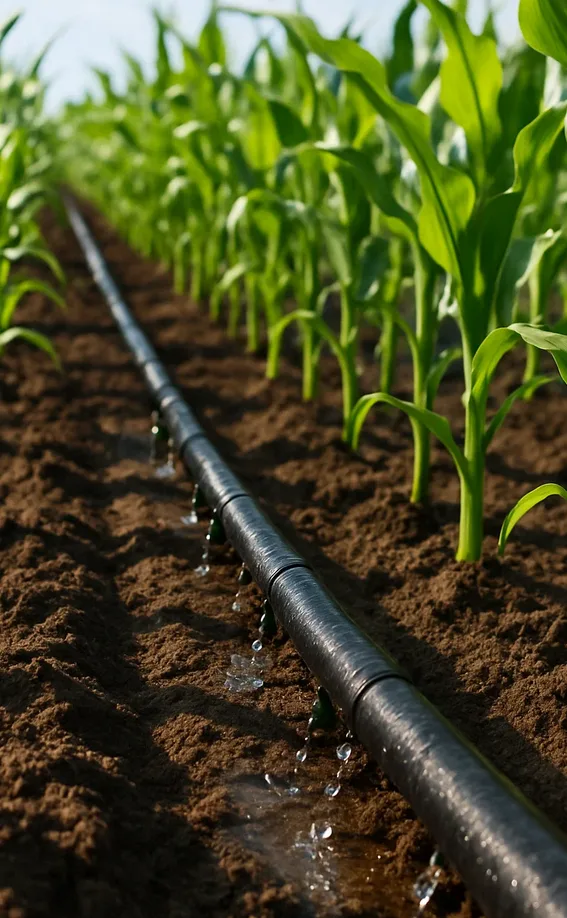
From one harvest a year to year-round production
In parts of Makueni, unreliable rainfall used to limit farmers to a single harvest each year. Through the Solar Drip Kit Irrigation Project, Eco Metering Africa installed off-grid solar pumps and drip systems connected to smart water-metering sensors. Farmers now receive simple mobile alerts on when to irrigate, based on soil moisture and crop stage.
Within two seasons, participating farmers moved from rain-fed vegetables to continuous production of tomatoes, onions and leafy greens. Water is used only when and where it is needed, while solar energy eliminates diesel costs and reduces emissions.
- Average water use reduced by up to 80% per plot.
- Yields for tomatoes and onions increased by 30–40% on demonstration farms.
- Households diversified income with off-season sales to nearby markets.
- Local youth trained to maintain pumps and sensors, creating new service jobs.
Saving lives, protecting crops and livestock from rising waters
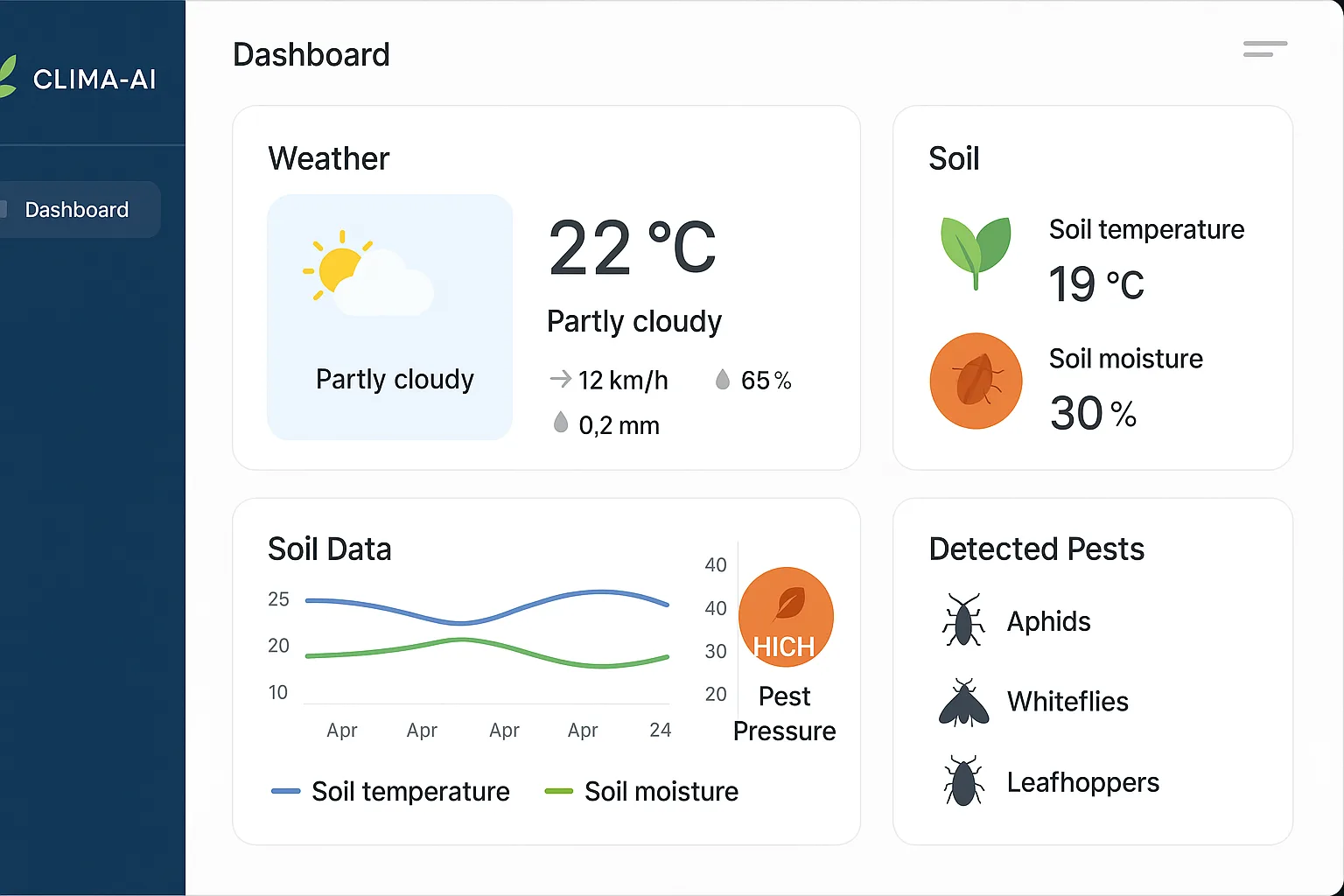
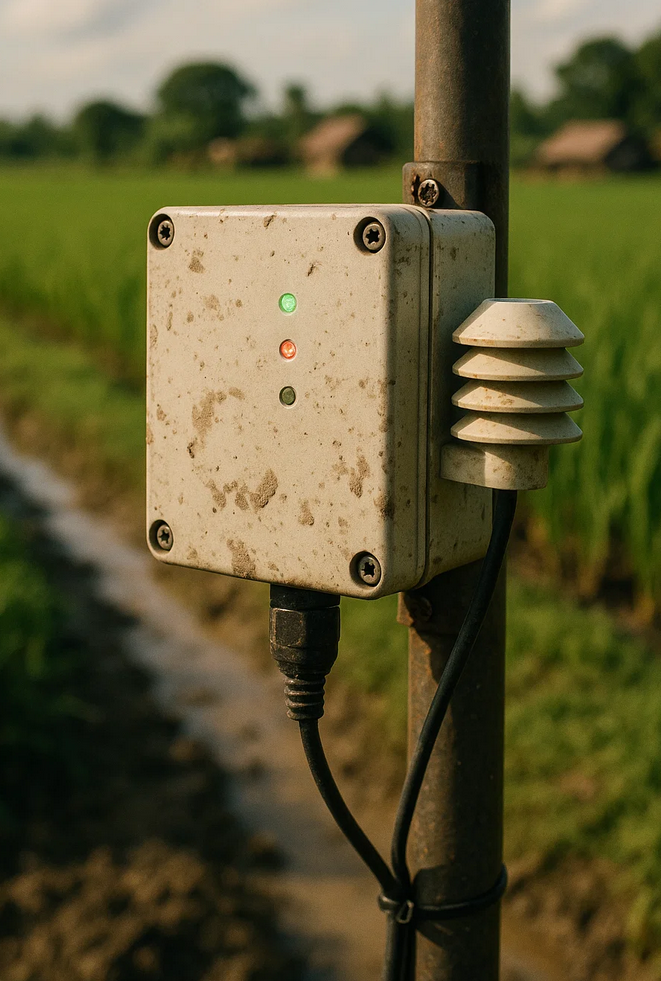
Climate change has increased the frequency of flash floods in several river basins where Eco Metering Africa works. Our flood early warning systems combine river-level sensors, rainfall gauges, satellite rainfall estimates and hydrological models to forecast when floods are likely to occur.
Alerts are pushed through SMS, voice calls, community radio, dashboards for local authorities and WhatsApp groups for cooperatives. Community disaster committees use these warnings to evacuate households, move livestock to higher ground and secure inputs, equipment and stored grain.
- IoT sensor networks deployed along rivers, dams and flood-prone lowlands.
- Dynamic maps show which villages and farms are at greatest risk in the next 24–72 hours.
- Local governments integrate alerts into evacuation and emergency response plans.
- Farmers adjust planting windows and crop choices to reduce future losses.
Data-backed green loans unlock investment for smallholders
Many smallholder farmers have strong potential but lack collateral and formal records to access finance. Working with financial institutions and partners such as NCBA Bank, Pepea Capital and others, Eco Metering Africa uses field data, remote sensing and farm performance indicators to power alternative credit scoring for green loans.
Farmers enrolled in our value chain programmes receive bundled services – climate-smart advisory, access to certified inputs, solar irrigation and tailored credit products. Repayments are aligned with harvest cycles, while IoT data and satellite imagery provide an objective view of crop growth and risk.
- Digital profiles created for farmers, capturing land use, practices and production history.
- Data-driven credit scores shared securely with partner banks and lenders.
- Loans linked to climate-smart investments such as solar pumps, dryers and cold storage.
- Improved repayment performance as farmers see tangible gains in yield and income.

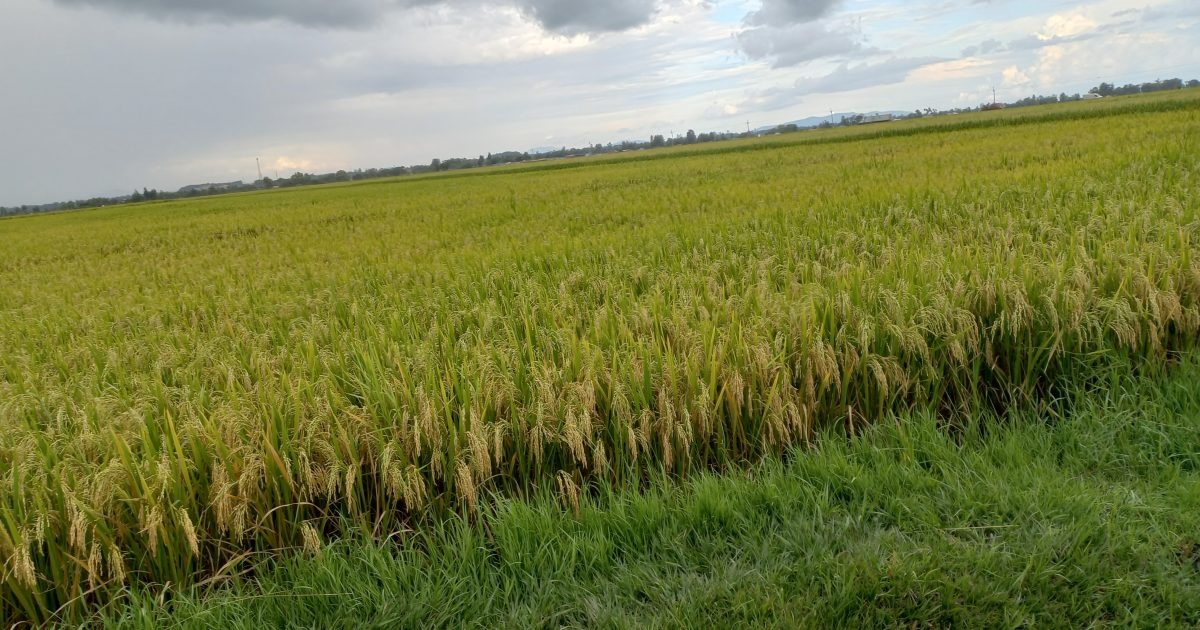
Turning rice into nutrition, clean energy and new income streams
In rice-producing areas, farmers often sell paddy at low prices while by-products like husks and straw are under-utilised. The Nutri-Rice Project pilots an integrated model: nutritious food products, biochar and clean energy briquettes, and livestock feed – all derived from the same value chain.
Women’s groups and youth enterprises are trained to operate small-scale processing units, supported by EMA Academy’s training and digital tools. Blockchain-enabled traceability helps buyers verify quality and sustainability from farm to fork.
- Nutri-rich rice broth, fortified rice flour and snacks developed for local markets.
- Biochar and briquettes produced from rice residues, replacing charcoal and firewood.
- Rice husk and bran incorporated into balanced animal feed rations.
- Stronger incomes for farmers and processors, with reduced waste and emissions.